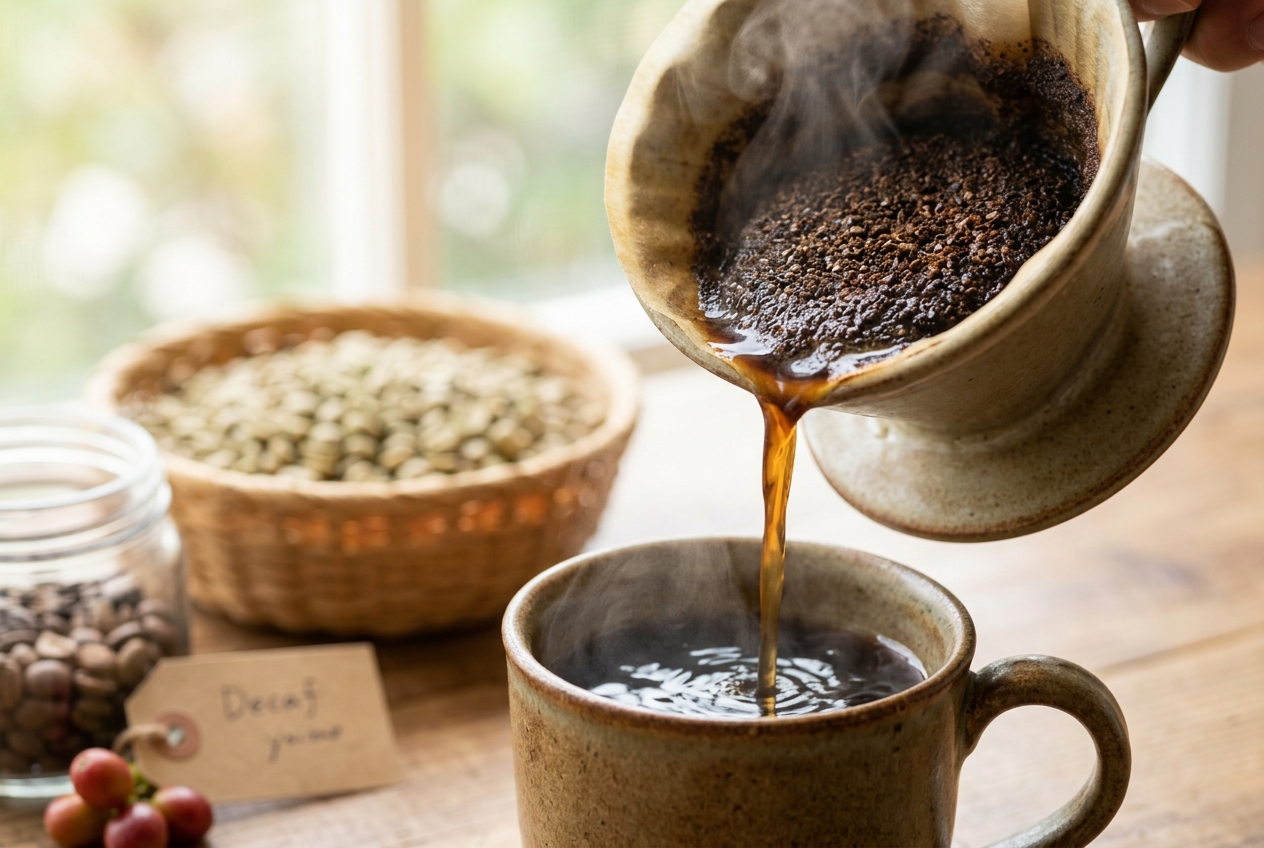

Intermittent fasting often raises one practical morning question: can you drink black coffee without ending your fasting window? For most healthy adults following a fasting routine for weight management or metabolic wellness, plain black coffee is generally considered compatible with fasting.
The important word is “plain.” Sugar, milk, cream, flavored syrup, collagen powder, and similar additions introduce calories and nutrients that can change the body’s fasting response.
Understanding what happens after drinking coffee can help you decide whether it belongs in your routine.
Does Black Coffee Break an Intermittent Fast?
A standard cup of black coffee contains very few calories when it is prepared without additives. It does not provide a meaningful amount of carbohydrates, protein, or fat.
Because of this, plain coffee is unlikely to interrupt a typical intermittent fast in the same way that breakfast or a sweetened beverage would. Many people practicing black coffee intermittent fasting continue to drink it during their fasting window.
However, the answer also depends on the purpose of the fast.
Someone fasting for weight management may view plain coffee as acceptable. A person following a strict medical, religious, or laboratory fast may need to avoid coffee entirely. Instructions from a healthcare professional or testing facility should always take priority.
What Happens Metabolically When You Drink Black Coffee?
Although black coffee contains almost no energy, it is not metabolically inactive. Caffeine and other natural coffee compounds can affect alertness, stress hormones, appetite, digestion, and the way the body uses stored fuel.
Caffeine Stimulates the Nervous System
Caffeine blocks adenosine, a chemical messenger associated with tiredness and relaxation. This can increase alertness and make a fasting morning feel more manageable.
The stimulating effect may also temporarily increase adrenaline. Adrenaline helps mobilize stored energy, including fatty acids, so the body can make that energy available for use.
This does not mean coffee automatically causes significant fat loss. Its effect is modest, and long-term results still depend on total food intake, activity, sleep, and consistency.
Black Coffee May Support Fat Mobilization
During a fasting period, insulin levels are generally lower than they are after a meal. This allows the body to rely more heavily on stored energy.
Caffeine may slightly encourage the release of fatty acids from fat tissue. That is one reason coffee is often included in a fasting-friendly morning routine, particularly before light exercise.
Still, releasing stored fat is not the same as permanently losing body fat. The body may use those fatty acids for energy, but overall energy balance remains important.
The Insulin Response Is Usually Small
Plain black coffee does not contain the sugar or starch that normally causes a substantial rise in blood glucose. For most people, it is therefore unlikely to trigger the same insulin response as a meal.
Individual reactions can differ. Caffeine may temporarily influence glucose regulation in some people, especially those who are sensitive to stimulants or who already have difficulty managing blood sugar.
People with diabetes, insulin resistance, or other metabolic conditions should discuss fasting and caffeine intake with a qualified healthcare professional.
Can Black Coffee Make Fasting Easier?
Coffee can make a fasting window feel easier for some people. Its strong flavor creates a satisfying morning ritual, while caffeine may temporarily reduce perceived hunger.
A warm drink can also replace the habit of eating immediately after waking. This behavioral effect is an important part of the popular morning coffee diet approach.
Coffee should not be treated as a complete appetite-control solution, however. Hunger is influenced by sleep, hydration, meal quality, stress, and individual fasting tolerance.
If coffee makes you feel shaky, anxious, weak, or excessively hungry later in the day, forcing it into your routine is unlikely to be helpful.
What You Add to Coffee Matters
Black coffee and a sweet café-style drink have very different metabolic effects. Even small additions can turn a nearly calorie-free beverage into a source of carbohydrates, fat, or protein.
Sugar and Flavored Syrups
Sugar provides rapidly available carbohydrates. Once consumed, it ends a strict fast and stimulates the digestive and metabolic processes associated with eating.
Honey, brown sugar, coconut sugar, and maple syrup have a similar effect. Although their flavors and origins differ, they still contribute calories and carbohydrates.
Milk and Cream
Milk, cream, and plant-based alternatives contain varying amounts of fat, protein, and carbohydrates. A tiny splash may have a limited practical effect, but it technically introduces nutrients during the fasting window.
If preserving a clean fast is the priority, drink coffee black and save milk-based beverages for the eating window.
Zero-Calorie Sweeteners
Non-nutritive sweeteners contain little or no energy, but they remain controversial within fasting communities. They may maintain cravings for sweetness or affect appetite differently from one person to another.
The simplest option for a consistent coffee fasting routine is coffee brewed without sweeteners or flavoring agents.
Butter, Coconut Oil, and MCT Oil
Adding butter or oil creates a high-calorie drink. It may be low in carbohydrates, but it is not calorie-free and therefore does not maintain a strict fast.
These additions may suit certain low-carbohydrate eating plans, but they should not be confused with plain black coffee.
Coffee and Autophagy: What Should You Know?
Autophagy is a cellular recycling process through which the body removes or reuses damaged cellular components. Fasting may encourage this process, but its timing and intensity in humans are not simple to measure in everyday life.
Some early research suggests that coffee’s natural compounds may interact with pathways related to cellular maintenance. That does not establish that coffee guarantees or enhances autophagy during a human fast.
If autophagy is your main reason for fasting, a conservative approach is sensible. Plain water remains the least complicated fasting beverage, while black coffee can be treated as optional rather than essential.
Potential Benefits of Drinking Coffee While Fasting
For people who tolerate caffeine well, black coffee may offer several practical advantages during intermittent fasting.
It can improve morning alertness, support concentration, and make the transition into a later eating window feel more natural. Drinking coffee before a walk or workout may also increase perceived energy.
Coffee contains naturally occurring antioxidant compounds as well. These compounds are one reason a moderate healthy coffee habit can fit within a balanced lifestyle.
The benefits depend on dose. Drinking more coffee does not necessarily produce better results, particularly when excessive caffeine disrupts sleep or increases stress.
Possible Downsides of Coffee on an Empty Stomach
Black coffee is not comfortable for everyone during a fast. Its acidity and caffeine content may cause nausea, stomach irritation, reflux, or a jittery feeling.
Increased Jitters or Anxiety
Without food, caffeine can feel stronger. Some people experience a racing heartbeat, nervousness, trembling, or difficulty concentrating.
Choosing a smaller serving, a gentler brew, half-caffeinated coffee, or decaf may help.
Digestive Discomfort
Coffee can stimulate bowel activity and gastric secretions. Drinking it on an empty stomach may aggravate digestive symptoms in sensitive individuals.
Cold brew or lower-acidity beans may feel smoother, although personal tolerance matters more than the brewing label.
Temporary Changes in Stress Hormones
Caffeine can temporarily increase cortisol, particularly when consumed soon after waking or during periods of poor sleep and emotional stress.
This response is not automatically harmful, but it may make fasting feel unpleasant. If you regularly feel wired and exhausted after morning coffee, reducing the amount may be more beneficial than extending the fast.
How Much Black Coffee Can You Drink While Fasting?
Moderation is the safest practical principle. One or two ordinary cups may be sufficient to support alertness without dominating the fasting routine.
Cup size and brewing strength matter. A large cold brew or concentrated café drink may contain considerably more caffeine than a small cup of filtered coffee.
Pay attention to how your body responds. Signs that you may be drinking too much include restlessness, headaches, digestive discomfort, irritability, palpitations, and disturbed sleep.
A sustainable coffee lifestyle should improve the rhythm of your day rather than leave you dependent on repeated doses of caffeine.
The Best Time to Drink Coffee During a Fast
There is no single schedule that works for everyone. Some people enjoy coffee shortly after waking, while others prefer to begin with water and drink coffee later in the morning.
Waiting a little while can be helpful if coffee feels too intense on an empty stomach. It also creates an opportunity to assess whether you are truly hungry, thirsty, or simply following an automatic habit.
If caffeine affects your sleep, avoid drinking it late in the day. Poor sleep can increase appetite and reduce energy, potentially undermining the goals that motivated intermittent fasting in the first place.
How to Build a Better Morning Coffee Routine
Begin the day with water, especially after a long overnight fast. Then prepare fresh coffee without sugar, milk, or calorie-containing flavorings.
Choose a brewing method and roast that taste pleasant without additives. A balanced medium roast or naturally sweet single-origin coffee may make black coffee easier to enjoy.
Drink slowly instead of using coffee to suppress strong hunger for hours. A calm mindful morning brew can become a pleasant ritual rather than a test of willpower.
When your eating window begins, choose a nourishing meal with protein, fiber, healthy fats, and minimally processed carbohydrates. Coffee cannot compensate for inadequate nutrition.
Who Should Be More Careful?
Intermittent fasting and caffeinated coffee are not suitable for everyone. Extra caution is appropriate during pregnancy or breastfeeding and for people with a history of eating disorders, uncontrolled blood sugar, digestive conditions, heart rhythm concerns, or medication-related dietary requirements.
Anyone who becomes dizzy, faint, confused, unusually weak, or persistently unwell while fasting should stop and seek appropriate medical guidance.
Personal tolerance matters more than following an online trend. A flexible balanced coffee routine is more valuable than maintaining a fasting schedule that makes everyday life harder.
The Bottom Line
Plain black coffee generally does not break a conventional intermittent fast because it contributes very few calories and almost no macronutrients. It may support alertness, temporarily influence appetite, and slightly encourage the use of stored energy.
The answer changes once sugar, milk, cream, butter, oil, or other calorie-containing ingredients are added. Those additions introduce energy and can interrupt the fasting state.
Ultimately, black coffee is a tool rather than a requirement. If it helps you maintain a comfortable and consistent fasting routine, it can fit naturally into your morning. If it causes anxiety, stomach discomfort, or poor sleep, water or decaffeinated coffee may be the better choice.