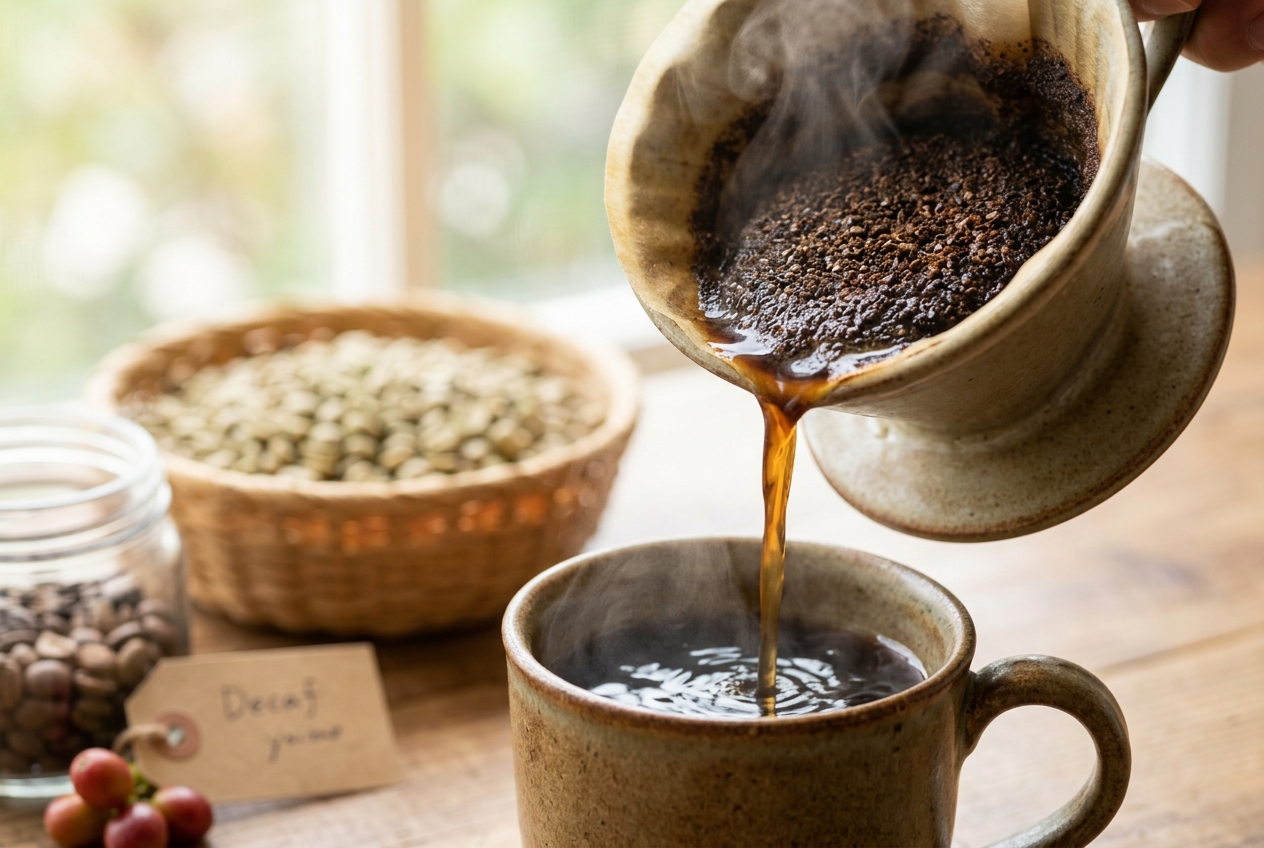
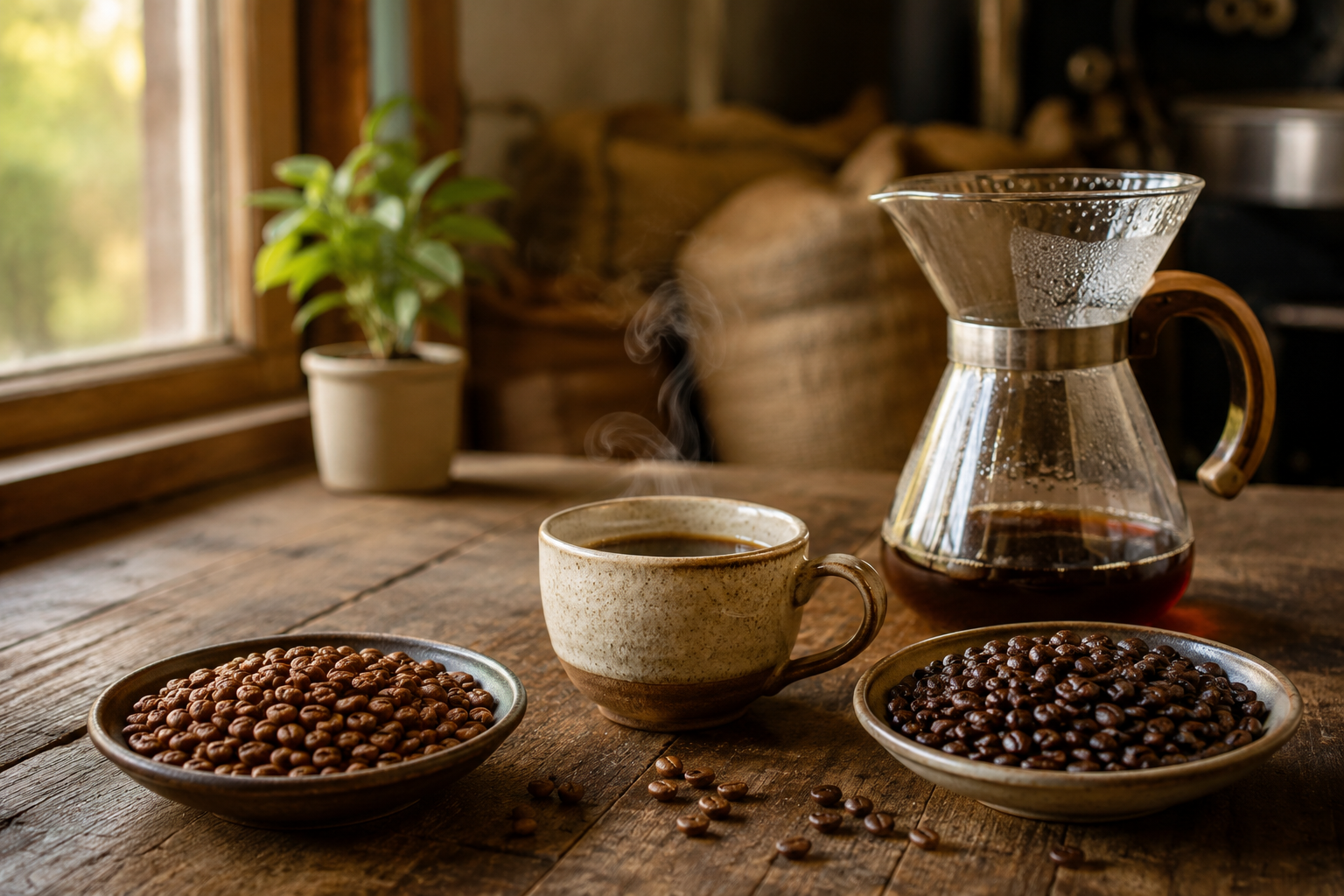
An afternoon coffee should feel like a gentle pause rather than a hurried dose of energy. The right beans can soften the pace of the day, filling the room with a comforting aroma while revealing delicate flavors with every sip.
Both Arabica and Robusta can create this experience. Arabica often brings sweetness, acidity, and layered aromas, while Robusta offers depth, earthiness, and a fuller body. Choosing between them depends on the mood, brewing method, and flavor intensity you enjoy.
Why Local Coffee Beans Make an Afternoon Brew Special
Locally roasted beans usually reach your cup while their aromatic character is still expressive. Fresh roasting allows floral, fruity, nutty, and chocolate-like notes to remain noticeable instead of becoming flat or muted.
Buying from local roasters also makes it easier to explore different origins and roast profiles. A roaster may highlight beans from a nearby mountain region, a small family farm, or a cooperative known for careful harvesting and processing.
For anyone seeking thoughtful local coffee bean recommendations, begin by looking at the roast date, origin, processing method, and tasting notes. These details offer useful clues about how the coffee may taste in your cup.
Fresh beans should smell clear and inviting. Depending on the variety, the aroma may resemble cocoa, toasted almonds, brown sugar, tropical fruit, dried flowers, or warm spices.
Arabica Beans for a Soft and Fragrant Afternoon
Arabica is often the natural choice for a calm afternoon ritual. Its flavors tend to be refined and aromatic, making it enjoyable when brewed slowly and served without excessive sugar or heavy flavoring.
A medium-roasted local Arabica may open with the scent of caramel and roasted nuts. As it cools, softer notes of red berries, citrus peel, honey, or jasmine can emerge.
These changing flavors make freshly roasted Arabica coffee particularly suitable for pour-over brewing. The clean extraction gives each tasting note enough space to appear without making the cup feel heavy.
For a sweeter experience, look for naturally processed Arabica. This method often produces ripe fruit notes, a round mouthfeel, and an aroma reminiscent of berries or fermented tropical fruit.
Washed Arabica usually tastes cleaner and brighter. It may offer gentle citrus acidity, tea-like clarity, and a crisp finish that refreshes the palate during a quiet afternoon.
Robusta Beans for a Bold and Comforting Cup
Robusta deserves more appreciation than it sometimes receives. Carefully cultivated and roasted Robusta can taste rich, smooth, and pleasantly intense without becoming unpleasantly bitter.
Quality Robusta often carries notes of dark chocolate, roasted peanuts, cedar, malt, and earthy spices. Its heavier body creates a lingering sensation that pairs beautifully with milk, cream, or a small afternoon pastry.
Choose a medium or medium-dark roast if you want strength without excessive smokiness. A thoughtful local Robusta coffee selection can produce a cup that feels rustic, warming, and deeply satisfying.
Robusta also contains more caffeine than Arabica. For an afternoon brew, use a moderate serving and avoid making the extraction too concentrated, especially if caffeine affects your evening rest.
A French press works especially well with Robusta because it preserves the bean’s natural oils and dense texture. The result is a bold cup with a comforting weight and a long cocoa-like finish.
Arabica vs Robusta Beans: Choosing by Flavor and Mood
The discussion around Arabica vs Robusta beans should not be reduced to which one is better. Each species offers a different sensory experience and suits a different afternoon mood.
Choose Arabica when you want a graceful cup with layered aromas, subtle sweetness, and lively acidity. It is ideal for reading, journaling, or enjoying a peaceful conversation.
Choose Robusta when you prefer a stronger aroma, fuller body, lower acidity, and darker flavors. It complements busy afternoons when you want a brief but grounding break.
Arabica can feel like a bright garden after light rain. Robusta feels more like a warm wooden room filled with the scent of cocoa and toasted grain. Neither experience is superior; they simply create different atmospheres.
Your brewing method also matters. Pour-over coffee highlights Arabica’s clarity, while immersion methods emphasize Robusta’s body. Espresso can showcase either bean or combine both in a balanced blend.
Local Arabica Profiles Worth Exploring
Local Arabica grown at higher elevations often develops complex sweetness because the coffee cherries mature more slowly. Depending on the region and processing technique, the cup may reveal citrus, stone fruit, florals, caramel, or cocoa.
For an elegant afternoon brew, try an Arabica with notes of honey, orange blossom, and almonds. These flavors feel bright without becoming sharp, especially when the beans receive a balanced light-to-medium roast.
If you prefer something deeper, look for beans with chocolate, brown sugar, and dried-fruit characteristics. These familiar flavors make single-origin afternoon coffee approachable while still offering enough complexity to reward slow sipping.
Allow the coffee to cool for several minutes before judging its flavor. Arabica often becomes sweeter and more expressive as the temperature drops.
Avoid using boiling water immediately after it leaves the kettle. Slightly cooler water can preserve delicate aromas and reduce the risk of extracting harsh flavors.
Local Robusta Profiles Worth Exploring
Fine Robusta grown and processed with care can be surprisingly polished. The best examples have substantial body, restrained bitterness, and a clean finish.
Search for beans described with notes such as dark cocoa, molasses, toasted hazelnut, tobacco leaf, or warm spice. These profiles create a comforting brew that feels especially inviting on a rainy or overcast afternoon.
Honey-processed Robusta can provide additional sweetness and a smoother texture. When roasted carefully, it may produce a mellow cup with hints of caramelized sugar and roasted nuts.
A strong Robusta coffee for afternoon brewing can also be softened with warm milk. The milk rounds out its earthy intensity while preserving the chocolate-like character beneath it.
Use a slightly coarser grind for immersion brewing and avoid steeping the grounds for too long. Controlled extraction keeps the cup rich while preventing rough bitterness from dominating the finish.
Arabica and Robusta Blends for Balanced Flavor
A blend can offer the fragrance of Arabica and the satisfying body of Robusta in one cup. This combination is useful when pure Arabica feels too light but straight Robusta feels too intense.
A blend containing mostly Arabica with a smaller amount of Robusta often produces gentle sweetness, a fuller mouthfeel, and a lasting crema when brewed as espresso. It can also work well in a moka pot.
Look for flavors such as caramel, cocoa, roasted almond, and dried cherry. These notes create a familiar yet expressive cup that pairs naturally with butter cookies, banana bread, or a simple piece of dark chocolate.
A carefully developed Arabica and Robusta coffee blend should taste harmonious. The Robusta should support the Arabica’s sweetness rather than overpower its more delicate qualities.
For a softer drink, add a small amount of steamed milk. For greater clarity, enjoy the blend black and allow it to cool slightly between sips.
Selecting the Right Roast Level
Light-roasted coffee preserves floral, fruity, and citrus-like qualities. It is suitable for drinkers who appreciate clarity and gentle acidity, particularly when using a pour-over brewer.
Medium roasts offer a comfortable balance between origin character and roast sweetness. Notes of caramel, nuts, milk chocolate, and ripe fruit often become more rounded at this level.
Medium-dark roasts create deeper flavors, lower perceived acidity, and a heavier mouthfeel. They work beautifully with Robusta, espresso blends, French press coffee, and milk-based drinks.
Very dark roasts can taste smoky and bitter, potentially hiding the natural personality of the beans. For a relaxing cup, balance is usually more enjoyable than overwhelming intensity.
When exploring a relaxing coffee lifestyle, choose a roast that invites slow drinking. The goal is not merely to consume caffeine but to enjoy aroma, warmth, texture, and a peaceful moment.
Brewing a Calm Afternoon Cup
Begin with freshly ground beans and clean water. Grind only the amount you need because ground coffee loses its aroma more quickly than whole beans.
For pour-over coffee, use a medium grind and pour the water slowly in controlled circles. This method produces a clean cup that highlights delicate Arabica flavors.
For a French press, choose a coarse grind and let the coffee steep gently before pressing. This technique creates a rich texture that suits Robusta and full-bodied blends.
A moka pot offers a more concentrated experience. Use moderate heat and remove it from the stove as soon as brewing is complete to prevent burned or metallic flavors.
Serve the coffee in a cup you enjoy holding. Small sensory details—the warmth of the ceramic, the rising steam, and the aroma near the rim—can make the ritual feel more restorative.
Pairing Coffee With a Peaceful Afternoon
Nutty Arabica pairs naturally with buttery biscuits, croissants, and lightly toasted bread. Fruity Arabica complements berry pastries, citrus cake, and mild cheeses.
Chocolate-forward Robusta works well with banana bread, roasted nuts, dark chocolate, or desserts containing caramel. Its firm body can balance richer foods without disappearing beneath them.
Keep portions modest so the food supports the coffee instead of overwhelming its tasting notes. A simple pairing often creates the most memorable experience.
Set aside a few minutes without notifications or unfinished tasks in front of you. Drink slowly and notice how the flavor changes from the first hot sip to the cooler, sweeter finish.
The best afternoon coffee is ultimately the one that matches your preferred pace. Whether you choose fragrant Arabica, bold Robusta, or a balanced blend, locally roasted beans can transform an ordinary break into a quiet daily pleasure.